ByteDance Is Building Its Own AI Chips. That Should Terrify You.
When TikTok's parent starts making silicon, the power dynamics of AI shift forever.
Published 7 February 2026
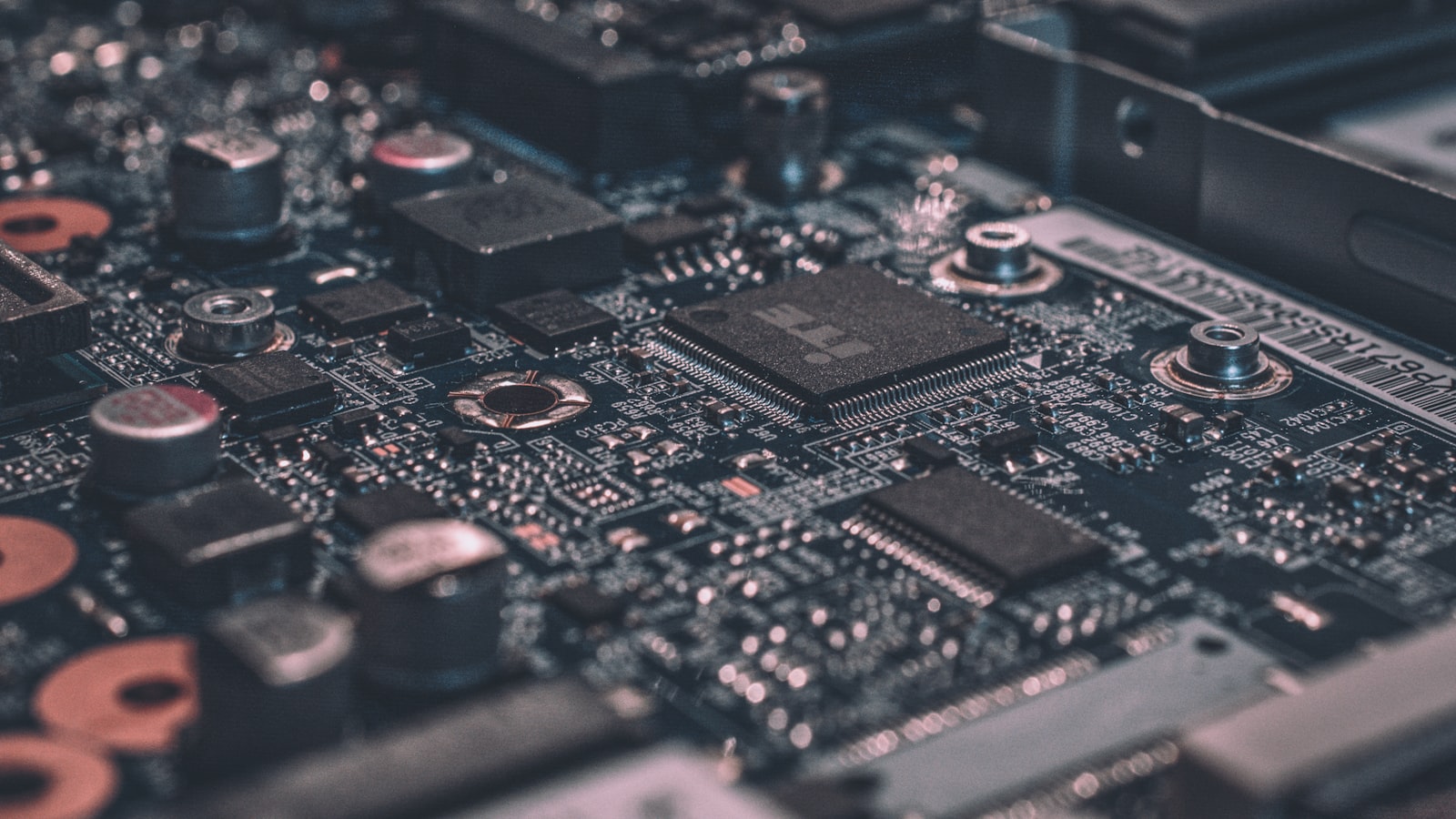
ByteDance just announced talks with Samsung to develop its own AI chips. If that doesn't make you pause mid-scroll, you're not paying attention. This isn't just another tech giant diversifying—it's the opening move in a chess match that will determine who controls the next decade of digital commerce.
When I started in ecommerce 26 years ago, nobody worried about chip manufacturing. You bought servers from Dell, they had Intel inside, and everyone was happy. Those days are dead. Today's AI-driven ecommerce platforms need computational power that would have melted a 1990s data centre, and ByteDance just announced they're not waiting for others to supply it.
According to Reuters reporting in February 2026, ByteDance is in advanced discussions with Samsung to co-develop custom AI chips optimised for their algorithms. This isn't a defensive move against chip shortages—it's offensive positioning. They're building a moat from silicon to screen that competitors simply cannot cross.
Think about the implications. Every recommendation on TikTok Shop, every personalised ad, every split-second decision about what content to show—all powered by hardware designed specifically for ByteDance's algorithms. They're not just optimising their software; they're optimising the actual transistors beneath it.
Taiwan's 2026 GDP forecast jumped to 7.7% growth, driven almost entirely by AI demand. That's not just impressive—it's unprecedented in modern Taiwan's economic history. TSMC alone is adding fabrication capacity faster than they can train engineers to run it.
But here's what the GDP numbers really mean: we're witnessing the birth of a new industrial revolution, and it's happening in real-time. The companies positioning themselves to control both the hardware and software layers aren't just gaining competitive advantages—they're rewriting the rules of digital business entirely.
ByteDance understands this. While Western tech companies debate whether to buy more GPUs or wait for prices to drop, ByteDance is designing chips that make those debates irrelevant. They're not buying picks and shovels in the AI gold rush—they're building the mine.
There's a massive, widening chasm between companies that build AI infrastructure and those that merely consume it. On one side, you have ByteDance, Apple, Google—companies designing their own silicon. On the other side, you have virtually everyone else, including most ecommerce platforms, fighting over scraps of GPU availability and paying whatever NVIDIA demands.
This isn't sustainable. Custom AI chips offer 10x better performance per watt for specific workloads. When ByteDance's recommendation engine runs on purpose-built silicon, how exactly is Shopify supposed to compete on algorithmic personalisation? They can optimise their code all they want, but they're running on general-purpose hardware designed for everyone and optimised for no one.
The scary part isn't just the performance gap—it's the economic gap. ByteDance's custom chips will cost them roughly $50 per unit to manufacture at scale. Compare that to buying equivalent computational power from cloud providers at market rates. The margin advantage alone creates a competitive moat measured in billions of pounds annually. This connects to broader trends in infrastructure decisions
ByteDance's chip strategy isn't about TikTok content—it's about TikTok Shop. They're building the computational infrastructure to make every other ecommerce platform obsolete through sheer algorithmic superiority. Personalisation that updates in milliseconds, not minutes. Inventory optimisation that predicts demand three steps ahead of any traditional forecasting.
I've spent decades watching ecommerce platforms fight over features—better checkout flows, prettier themes, more payment options. None of that matters when your competitor can predict what customers want before customers know themselves, and do it with computational efficiency you cannot match.
The vertical integration from silicon to screen means ByteDance controls every layer of the customer experience. They can optimise their recommendation algorithms at the chip level, not just the software level. When they decide which products to promote, they're not just running better software—they're running purpose-built hardware that makes their software impossibly fast.
We're entering an era where the biggest ecommerce platforms will also be semiconductor companies. Amazon's already there with their Graviton chips. Apple's been there for years. Now ByteDance is joining the club, and the entry fee is measured in billions of pounds and decades of R&D.
This creates a two-tier system: companies that control their entire technology stack from silicon to software, and companies that rent computational power from others. The renters will compete on margins. The owners will compete on innovation speed.
For every ecommerce business still debating whether to invest in AI, ByteDance's chip announcement should be a wake-up call. They're not just building better algorithms—they're building the computational infrastructure that makes everyone else's algorithms irrelevant.
The question isn't whether ByteDance will dominate ecommerce with custom AI chips. The question is how many years everyone else has before the computational gap becomes insurmountable. Based on Taiwan's GDP forecasts and Samsung's production timelines, I'd estimate about eighteen months.
Adapt or die isn't just our tagline—it's becoming the literal reality of competing against companies that build their own silicon.